00
Reference
- Where
- Unworn
- Tone
- White
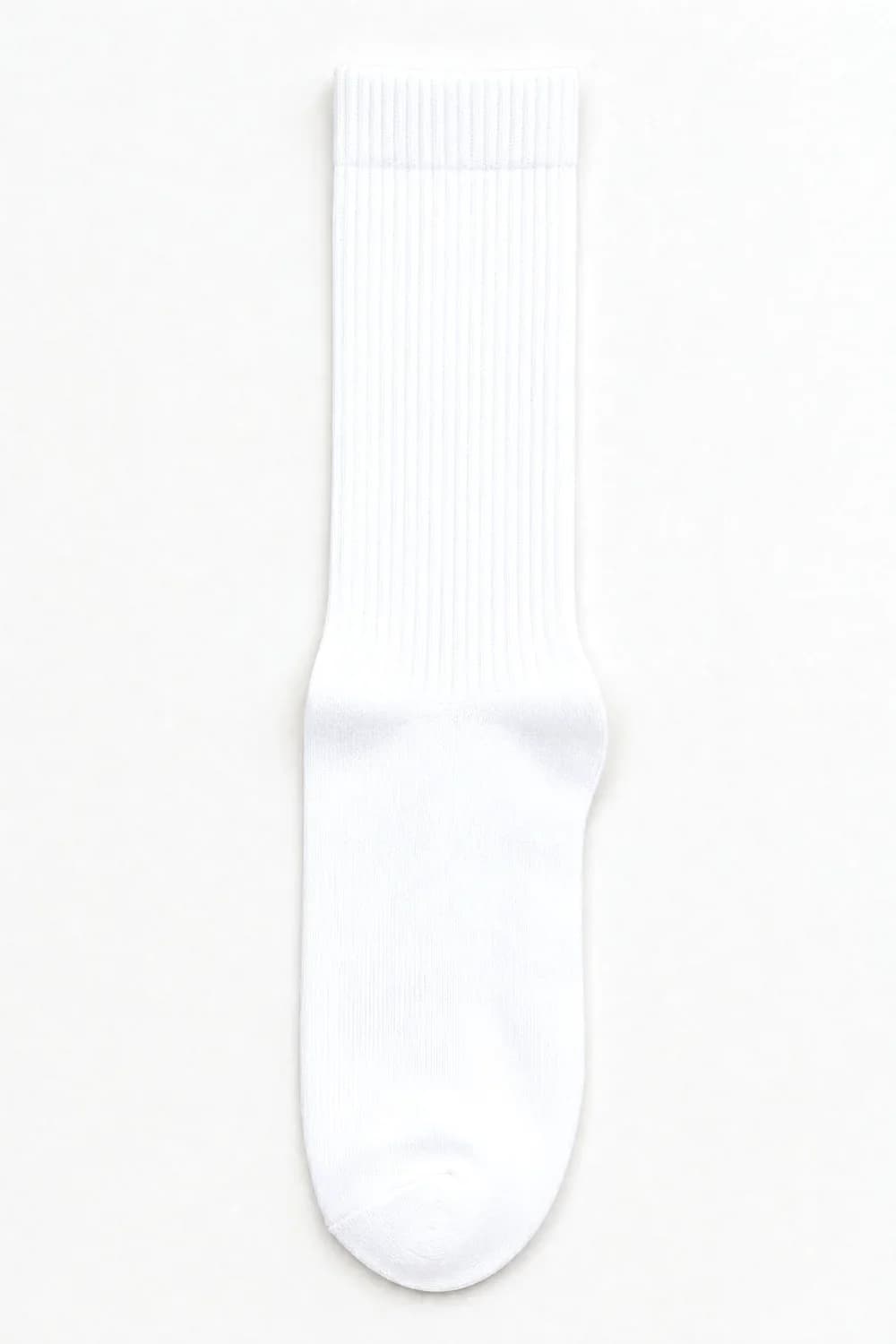
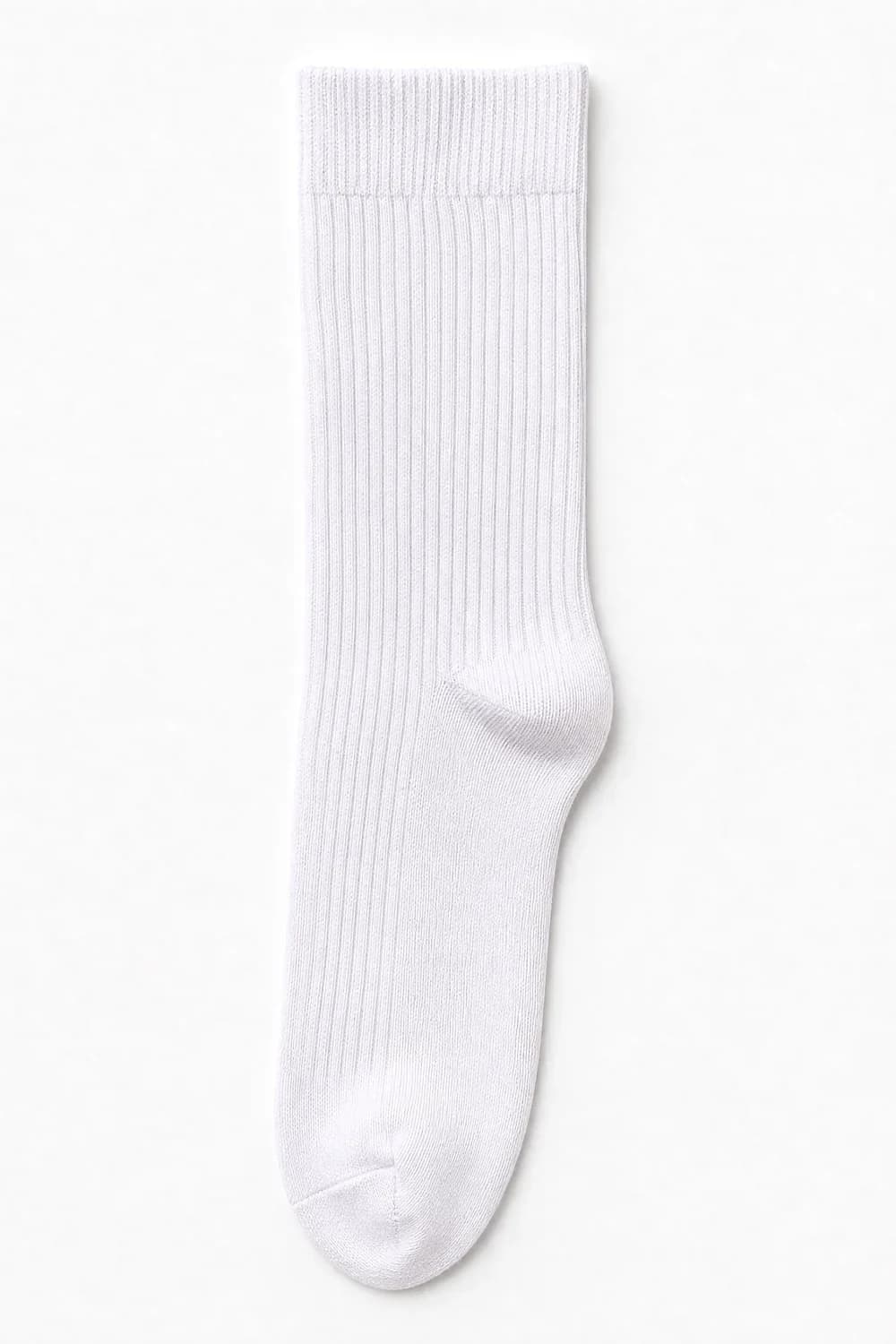
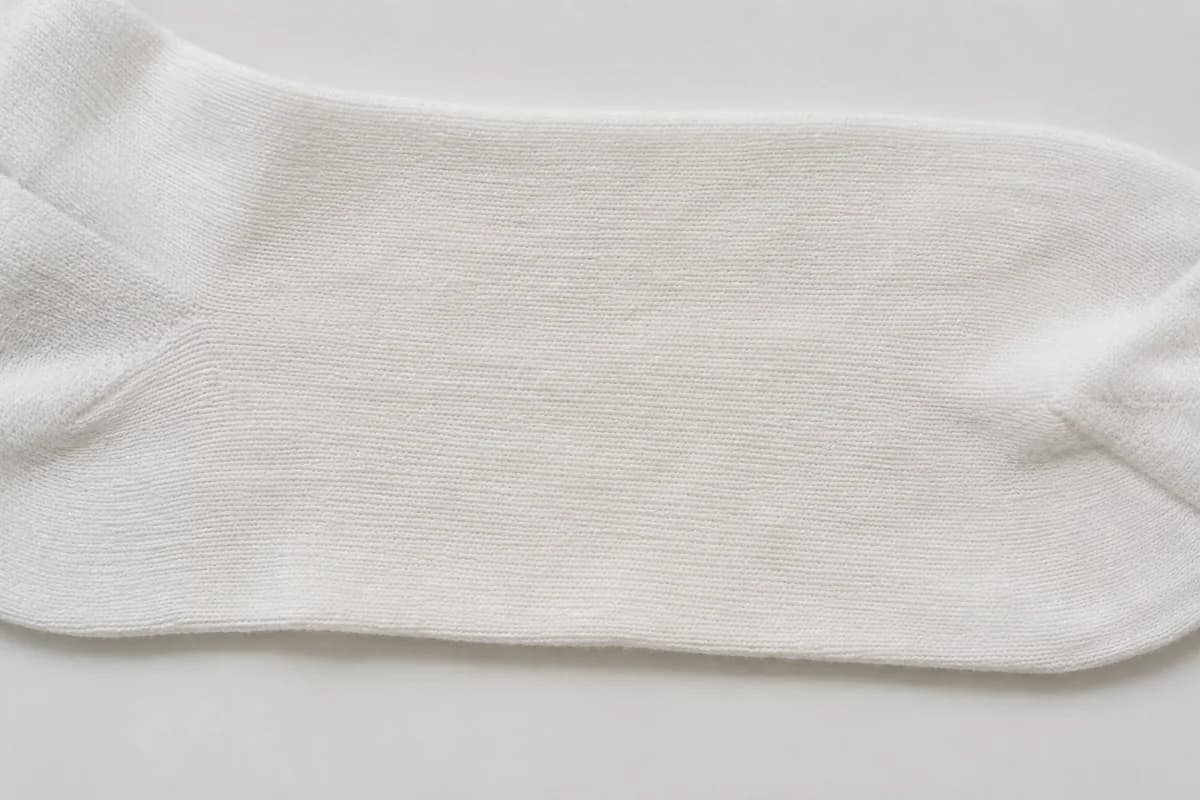
The control. Every reading is made against a white like this one, not against memory.
Greyscale Lab · four causes, one photograph
The four, and what separates them
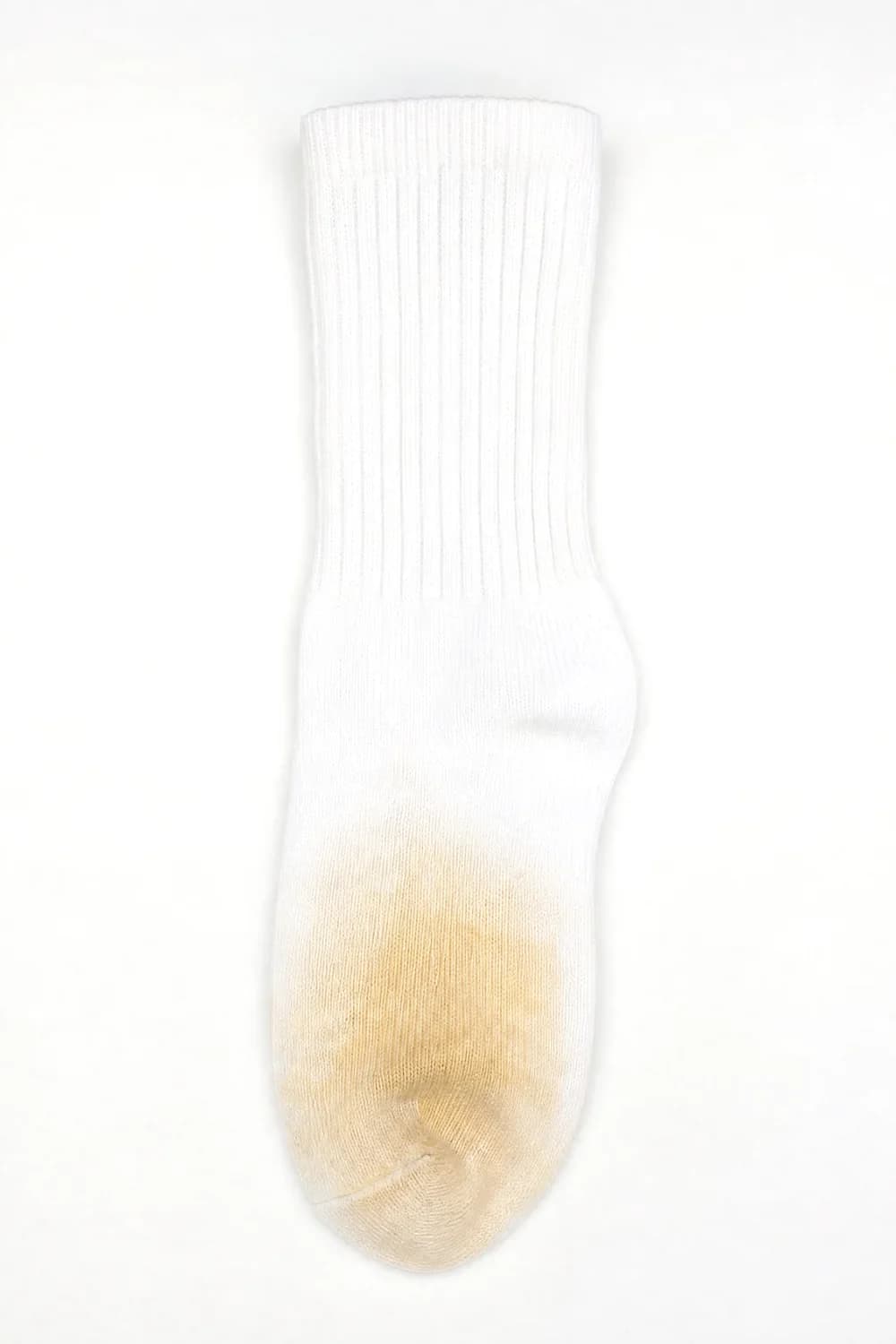
Oxidised sebum
Local · warm
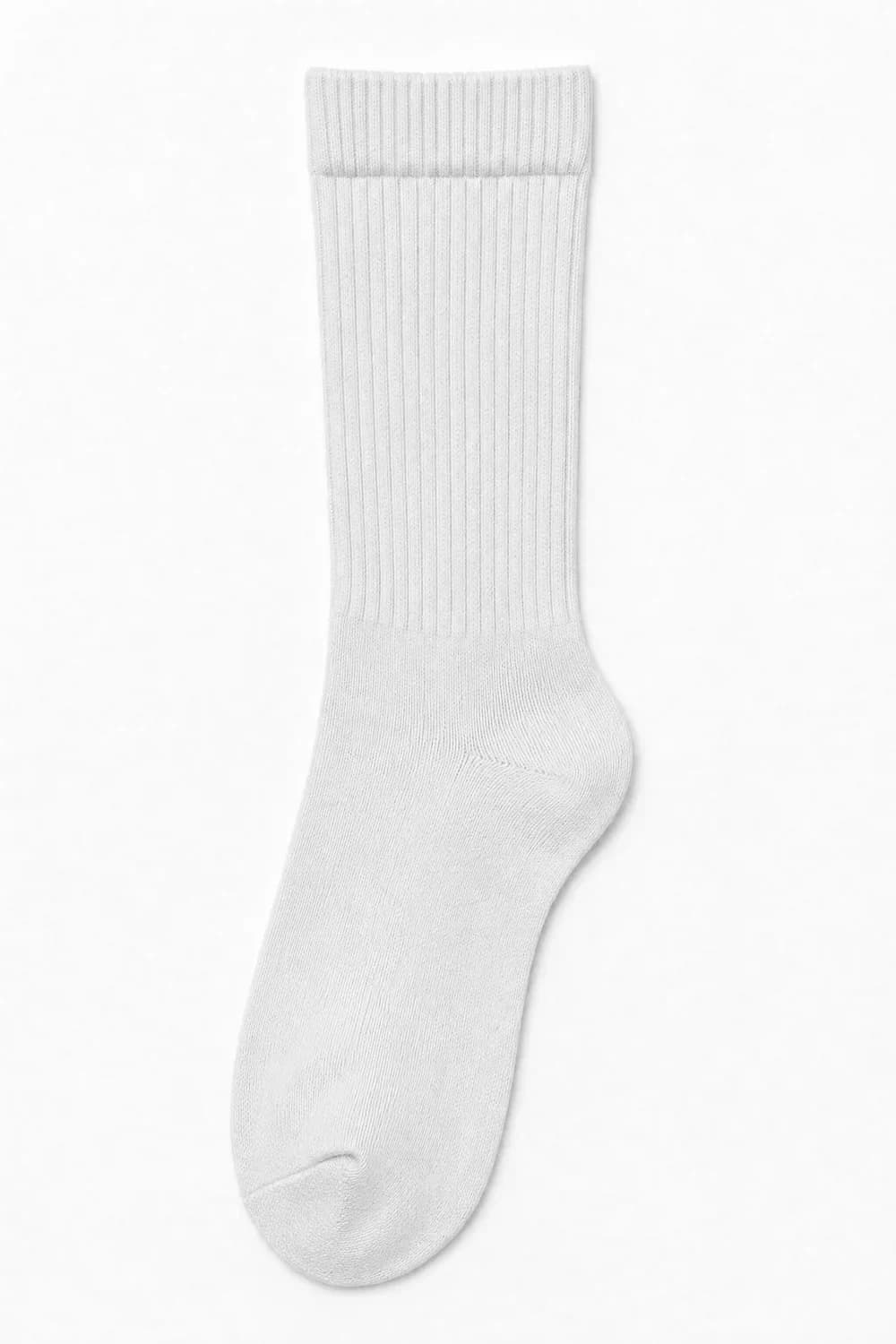
Detergent residue
Even · no hue
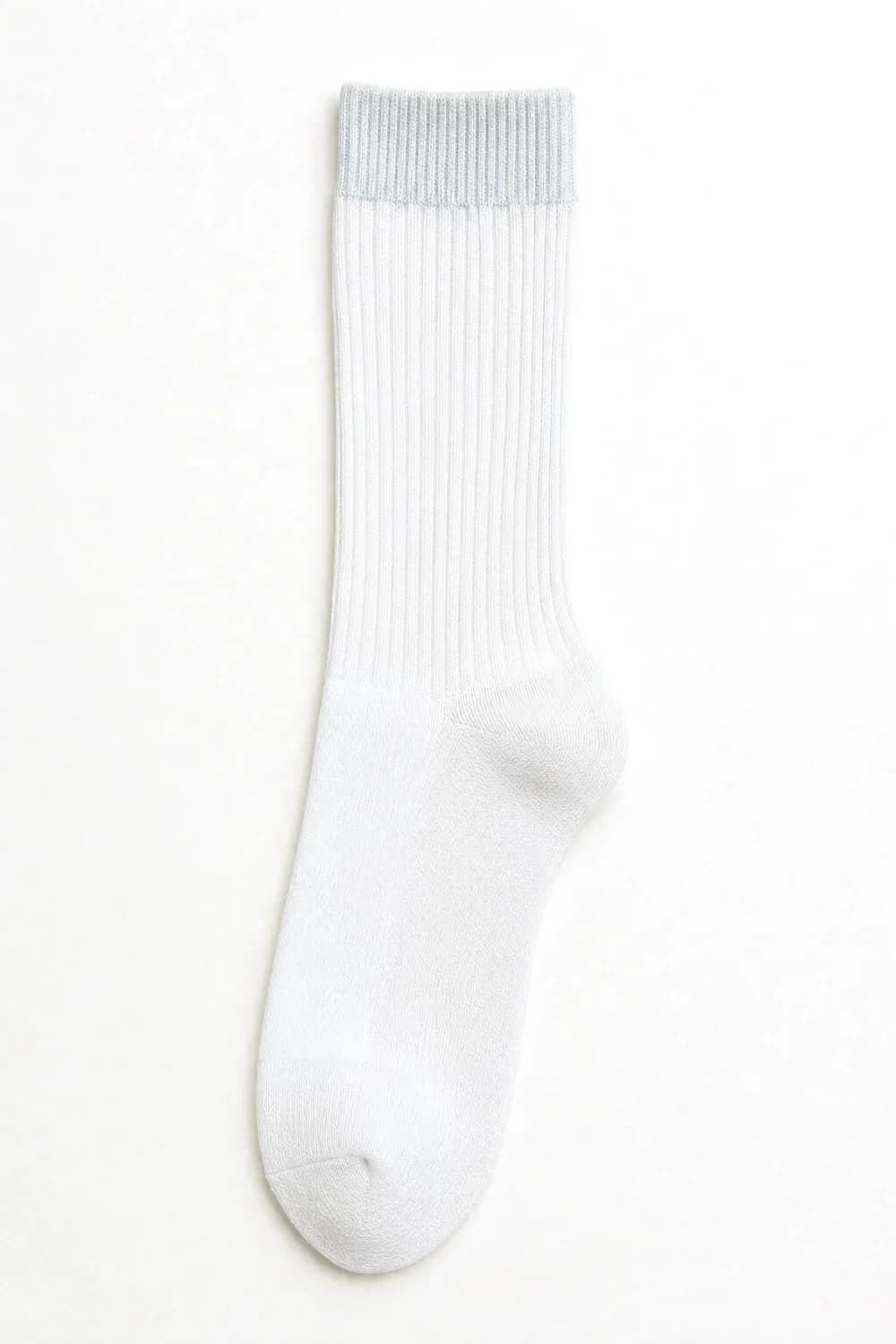
Hard-water mineral
Dense knit · chalky
Dye transfer
Even · has a hue
Because it is almost never that they are not clean. It is that one of four different things is sitting in the fibre — and the four are treated in opposite ways.
No account needed to read the four signatures below. Five socks a month free.
Reference white #FCFCFB
05 specimens · same sock, same light
00
The control. Every reading is made against a white like this one, not against memory.
01
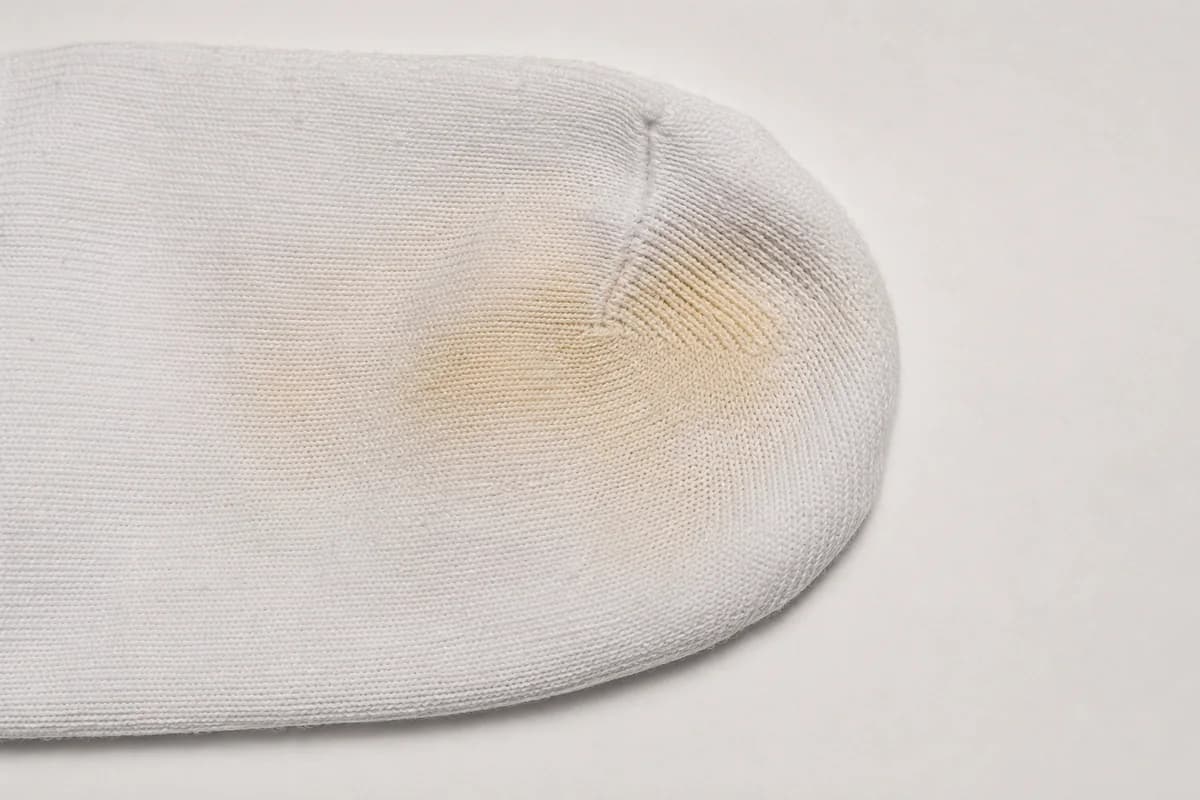
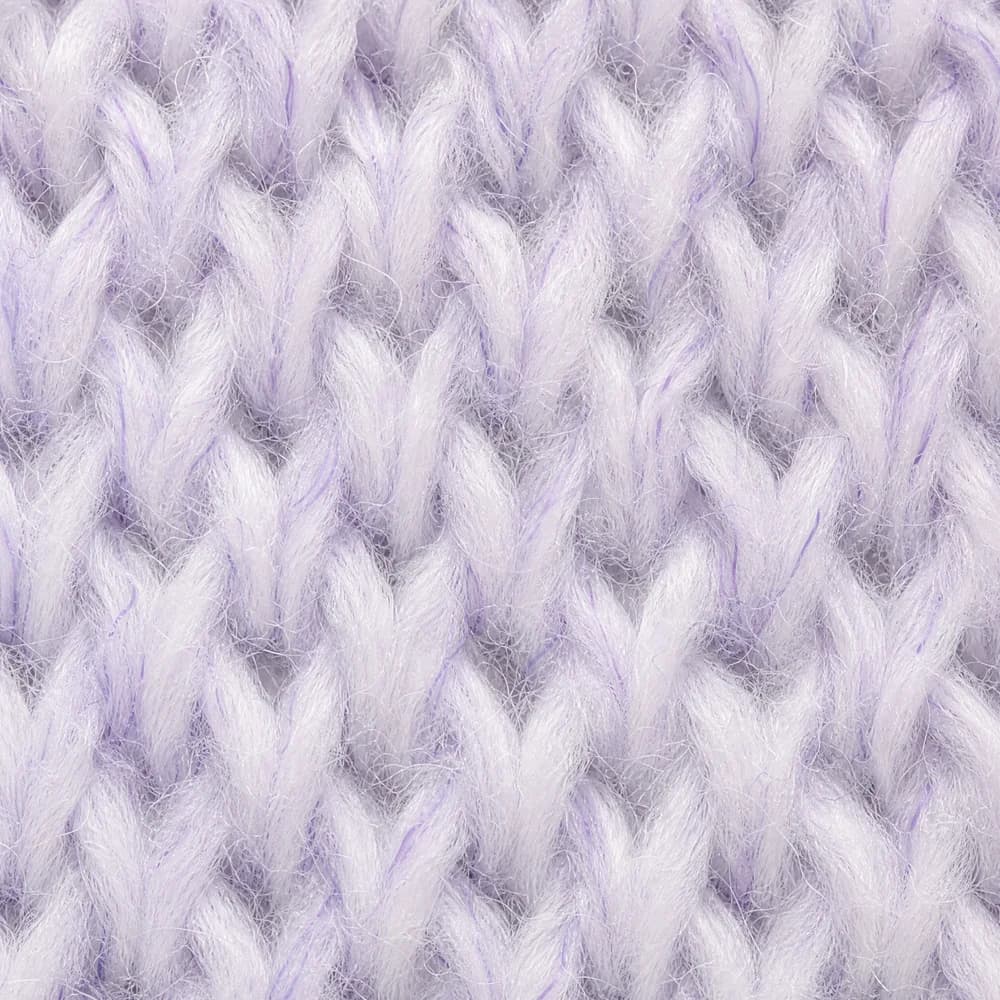
Skin oil the wash did not fully emulsify, left in the yarn and oxidised there.
02
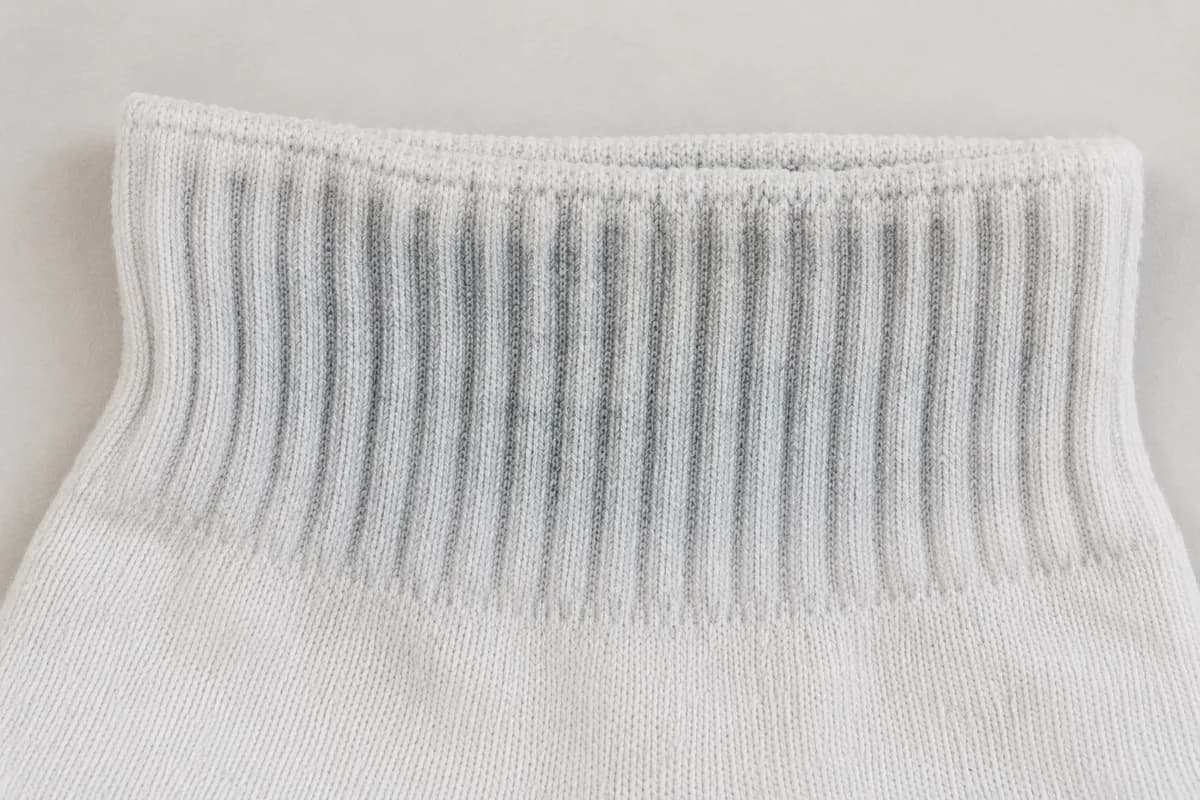
A film of unrinsed detergent holding fine dust. The greying has no shape because rinsing has none.
03
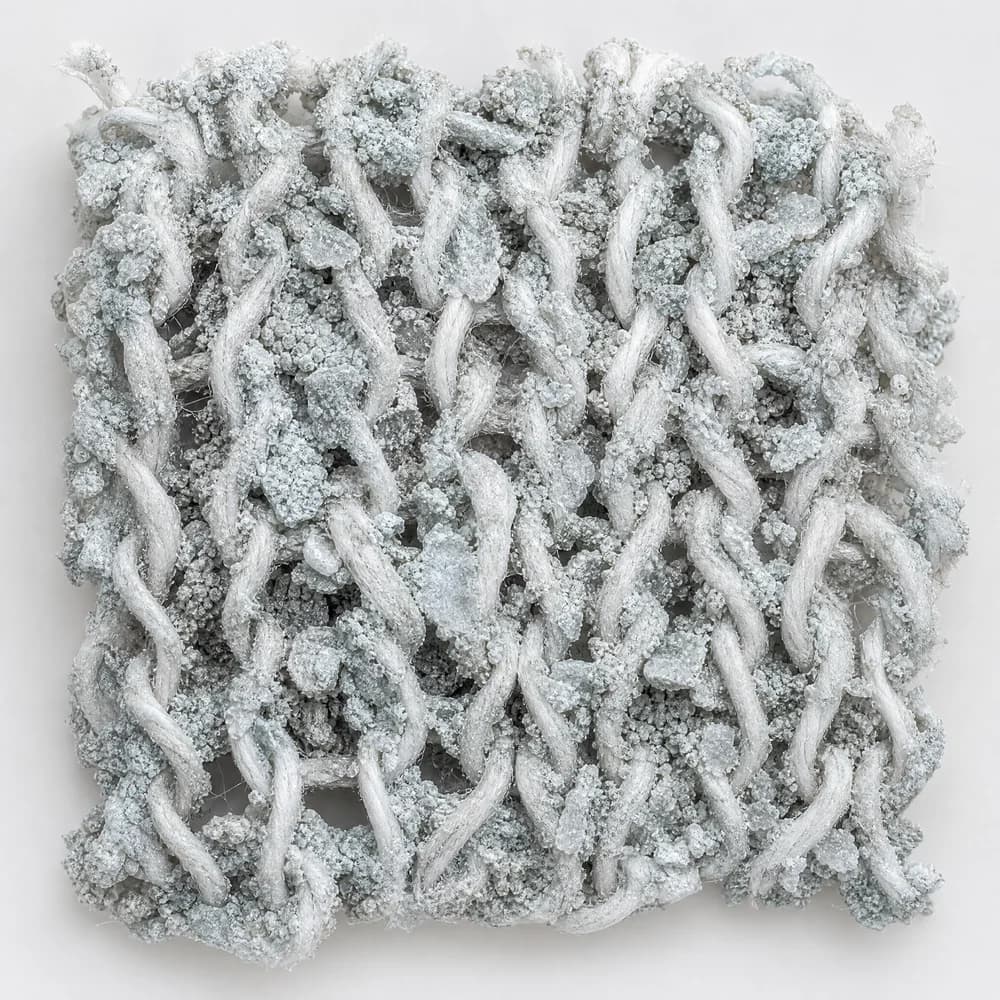
Calcium and magnesium scaling onto fibre, heaviest where the knit holds the most water.
04
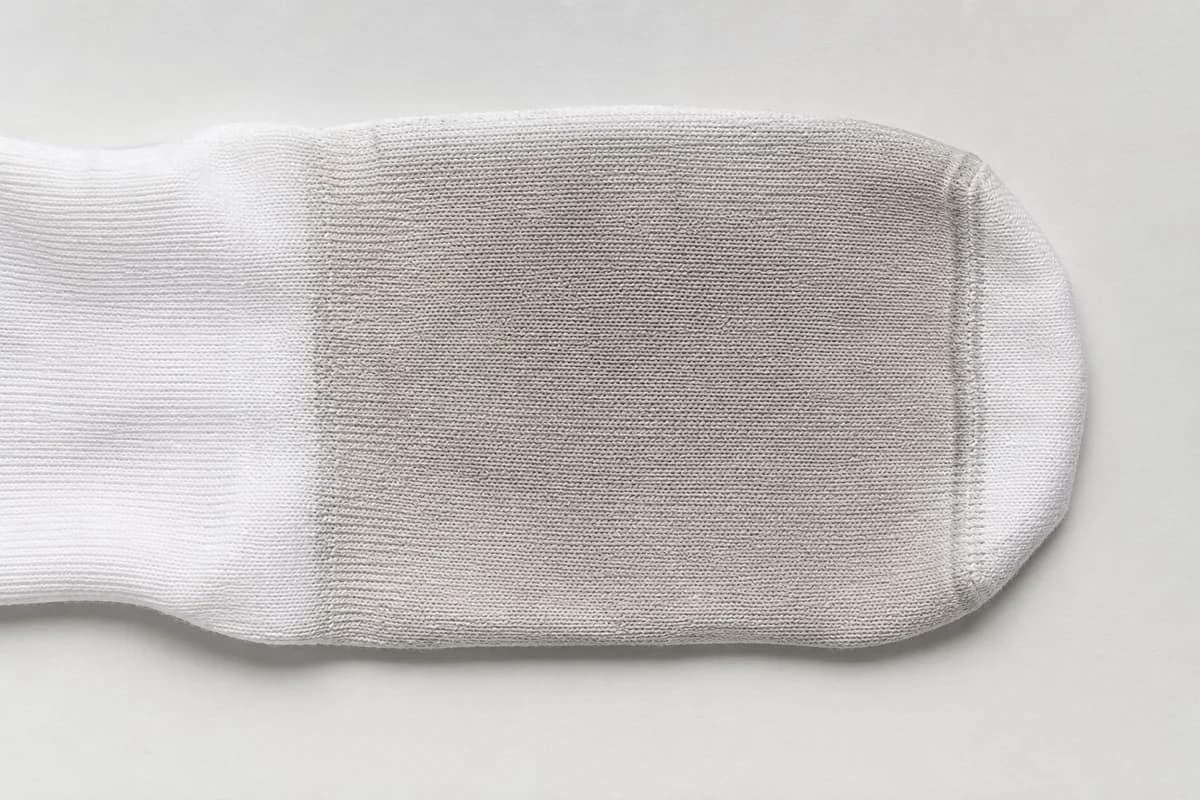
Colour released by something else in the drum and taken up by this. Bound in, not sitting on.
Held apart like this the four are obvious. On one sock, alone, in a bathroom, they are not — which is why the usual response is to reach for whichever product is nearest and why three of the four get worse when you do.
01
How it goes
Three steps, and the first one is the one people get wrong. The photograph has to contain the parts that are still white — those are half the evidence.
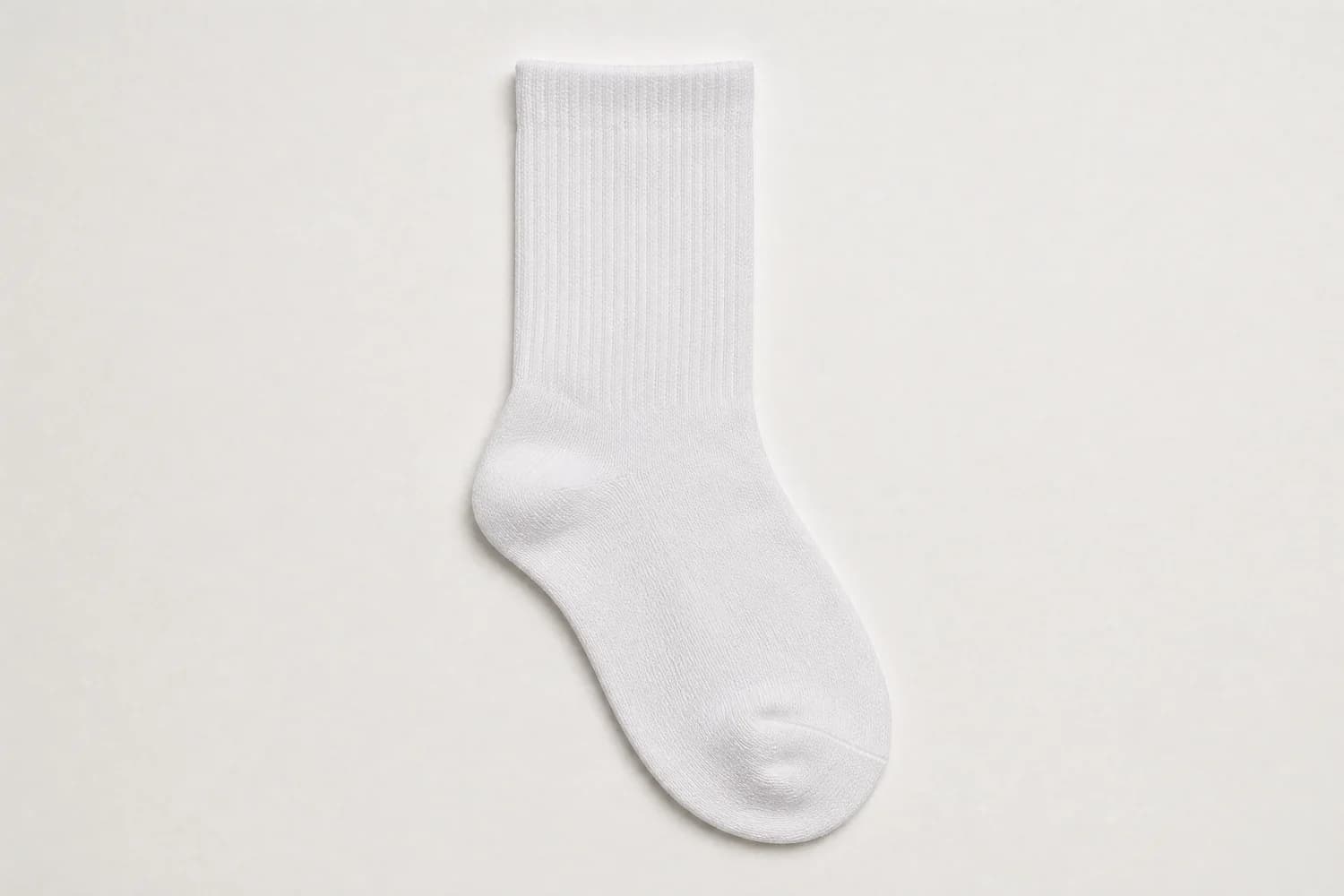
Flat, from directly above, cuff to toe in one frame, in daylight if you can. A close-up of the worst patch is the one photograph that cannot be read: what separates the four causes is where the discoloration is and where it is not.
Takes about a minute
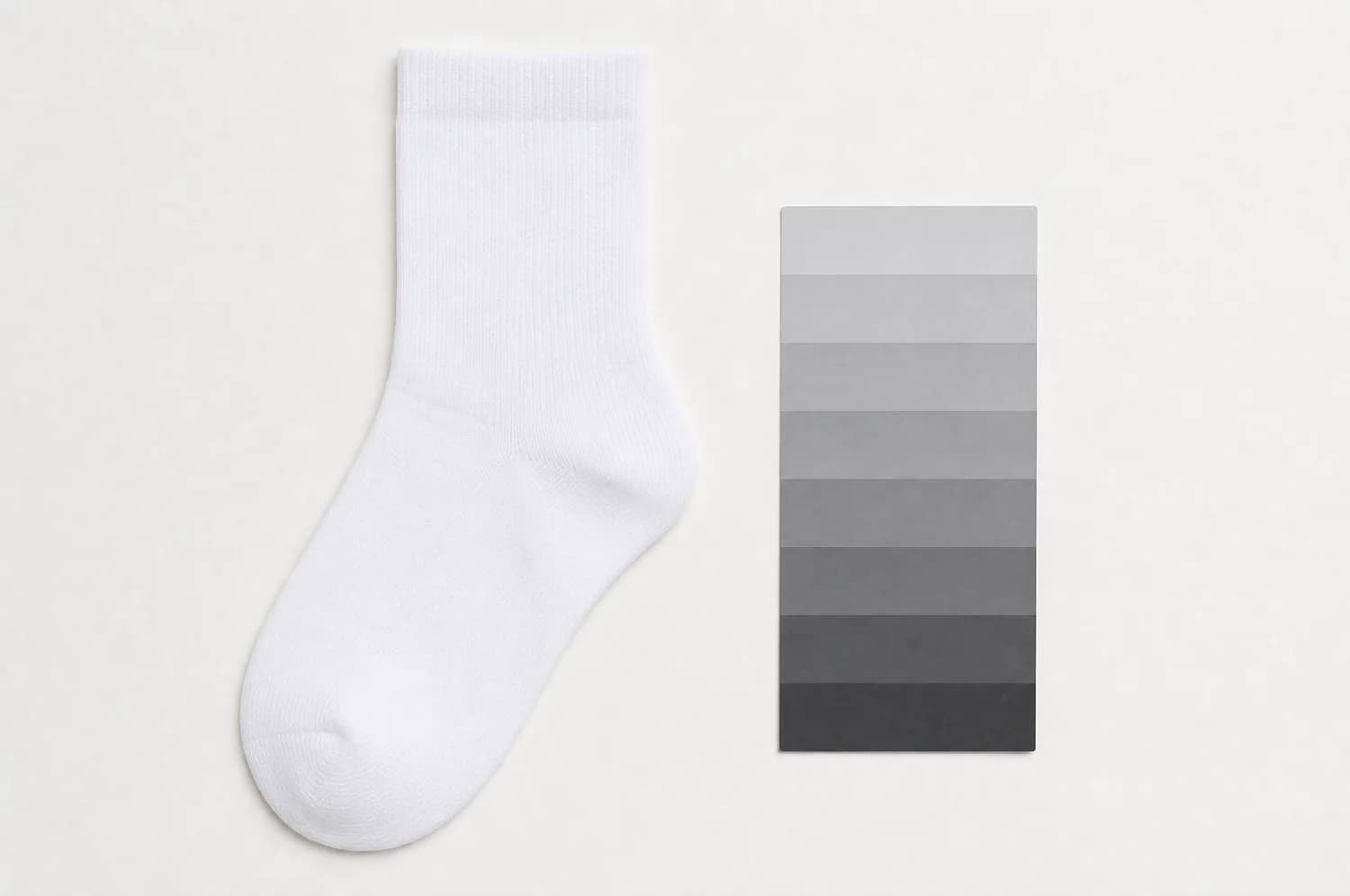
Each region is compared with a reference white and with the other regions. Two things come out: which parts have shifted and by how much, and which way the tone moved — warm, neutral, chalky or carrying a hue. Those two facts are what the ranking is built from.
The observations, not the verdict
The treatment sheet is ordered and each step says why it is where it is. Order is not a nicety here: the same actions in the wrong sequence set the discoloration instead of lifting it. It prints on one page to keep by the machine.
Prints on one page
02
The four
Each has a signature you can learn in about a minute, a mechanism that explains the signature, and a treatment that is wrong for the other three.
Skin oil left in the fibre, which then went yellow
Can it be recovered
Partly recoverable
Often recoverable if chlorine bleach has not already been used on it. Once bleach has been applied to oxidised sebum, the yellow is generally set and does not come back out.
What makes this one worse
Check whether this is the one you have — the ordered treatment for it is on the paid plans; the warnings above are not.
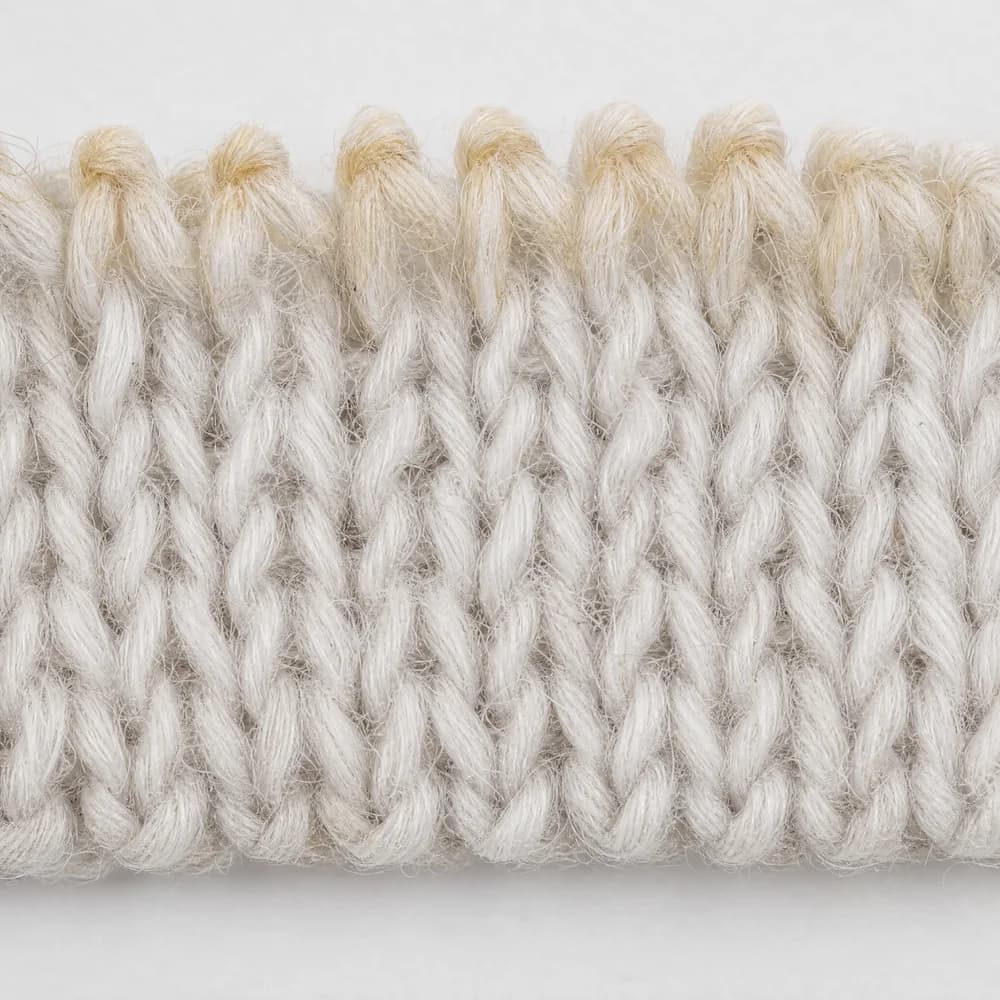
Too much detergent, not enough rinsing — and it holds onto dust
Can it be recovered
Usually recoverable
Usually recoverable. The film lifts with rinsing, and the greyness lifts with it. This is the one of the four that most often comes all the way back.
What makes this one worse
Check whether this is the one you have — the ordered treatment for it is on the paid plans; the warnings above are not.
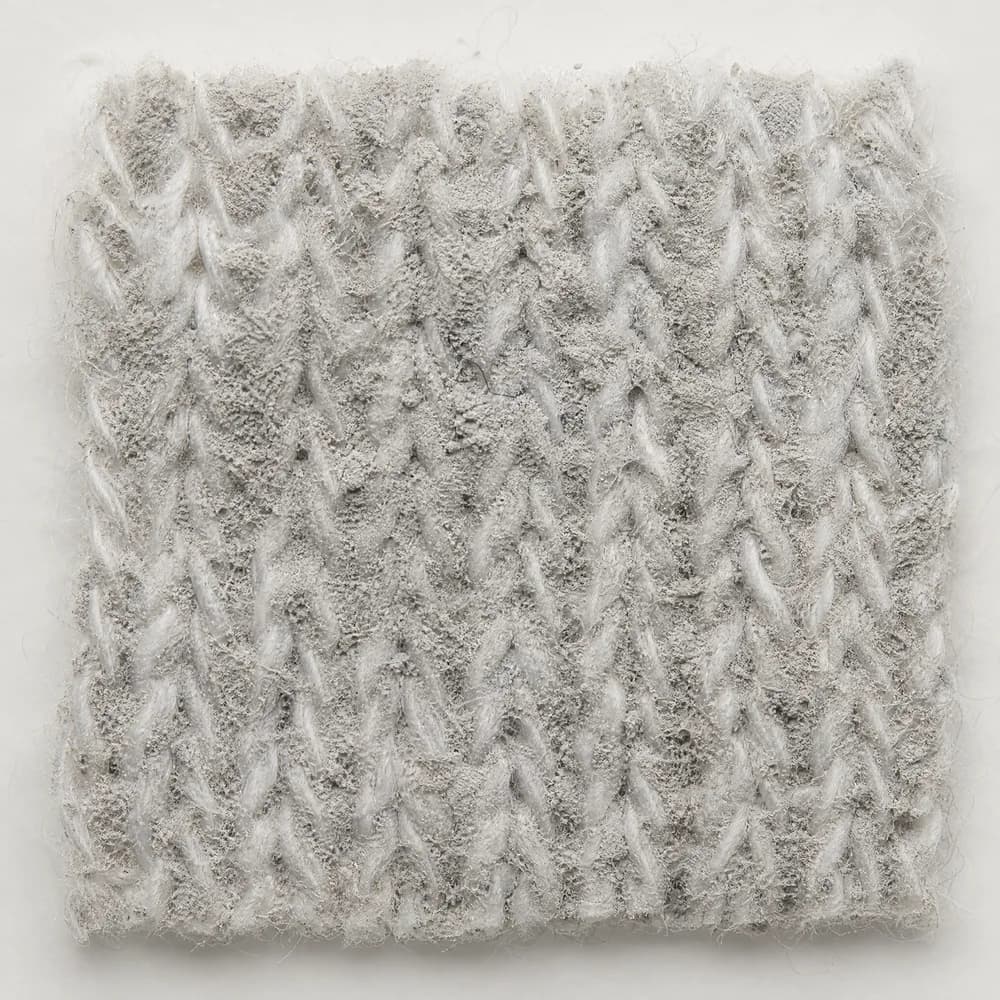
Calcium and magnesium scaling onto the yarn
Can it be recovered
Partly recoverable
Usually improves substantially over several softened washes, though a sock that has scaled for years may not come all the way back to the white it started at.
What makes this one worse
Check whether this is the one you have — the ordered treatment for it is on the paid plans; the warnings above are not.
Colour that came off something else and went into this
Can it be recovered
Generally not recoverable
Generally not recoverable. Bound dye is not a residue that can be rinsed away, and there is no ordinary domestic step that reliably reverses it. We would rather say so than send you through six more cycles.
What makes this one worse
Check whether this is the one you have — the ordered treatment for it is on the paid plans; the warnings above are not.
03
How the reading is produced
It reports which regions have shifted and which way the tone moved. The ranking is arithmetic over the table below, run in your browser, against weights you can read.
| What was observed | Oxidised sebum | Detergent residue | Hard-water mineral | Dye transfer |
|---|---|---|---|---|
| The shift is confined to the parts of the sock that touch skin. | +4 | −3 | · | −3 |
| The tone moved towards yellow rather than towards grey. | +4 | −1 | −1 | · |
| Every region shifted by about the same amount, with no patch and no gradient. | −4 | +4 | −1 | +2 |
| The shift is neutral grey with no hue in it. | −1 | +4 | · | −4 |
| The dense knit is further off than the thin leg, and the ribbed cuff is part of it. | · | −2 | +4 | −2 |
| The cast is cool and chalky rather than warm. | −2 | +1 | +4 | · |
| The white carries a hue — it is not a neutral grey against a white reference. | −1 | −1 | −1 | +5 |
| The ribbed cuff is the worst-affected part of the sock. | −1 | · | +3 | · |
| The toe box is the worst-affected part of the sock. | +3 | · | · | · |
A negative weight is an argument against, and negative weights are where the ruled-out list comes from. Ruling a cause out matters as much as shortlisting one: an even, all-over grey rules out skin oil outright, because skin oil is always local — and that saves someone a fortnight of enzyme washes that were never going to do anything.
Outside the photograph
This list appears on every reading, on every plan, outside the paywall and without a watermark over it.
What this is not
It is an inference from how a fabric looks. It is not a chemical test, it is not a measurement of your water, and it reaches no conclusion about the quality of anything you own.
04
The wall
Read the region and the tone before you read the cause. That is the order the service works in, and after a dozen plates most people can do it unaided.
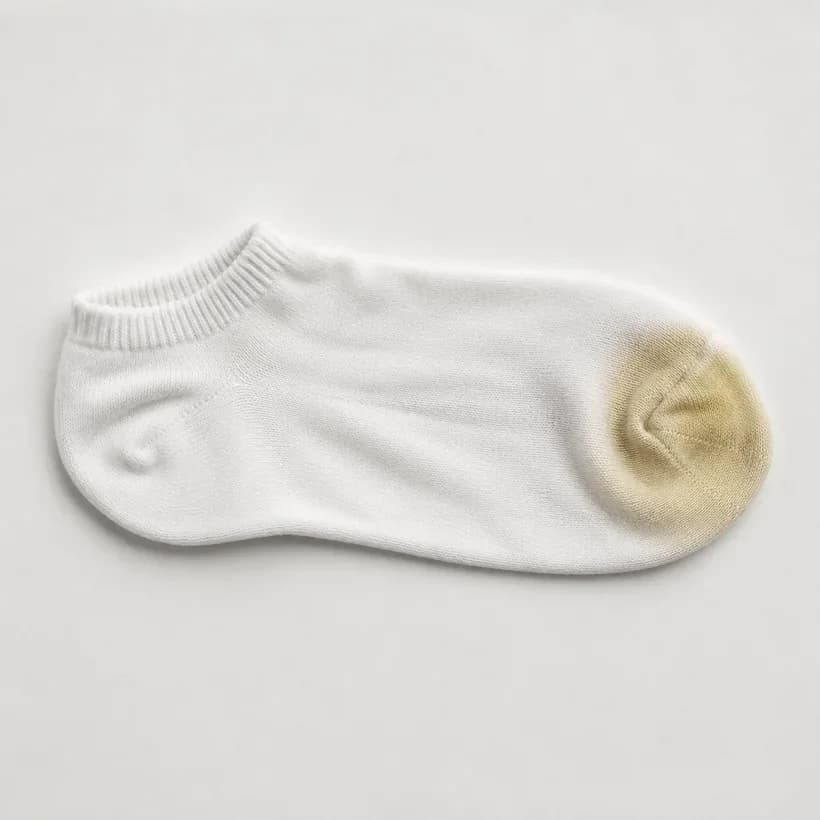
PLATE 01
Partly recoverable
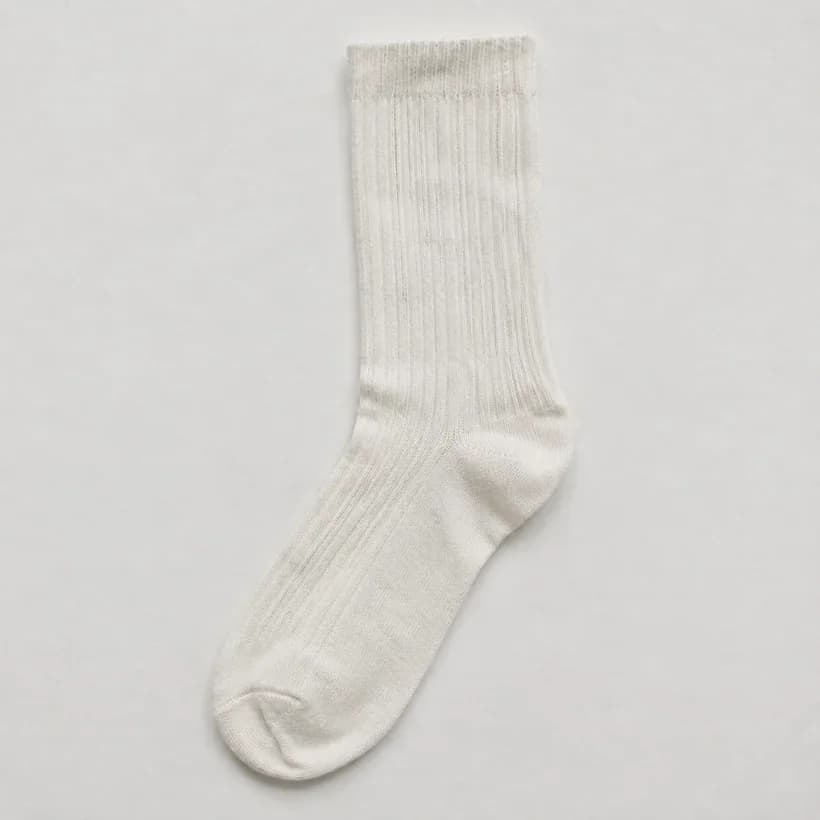
PLATE 02
Usually recoverable
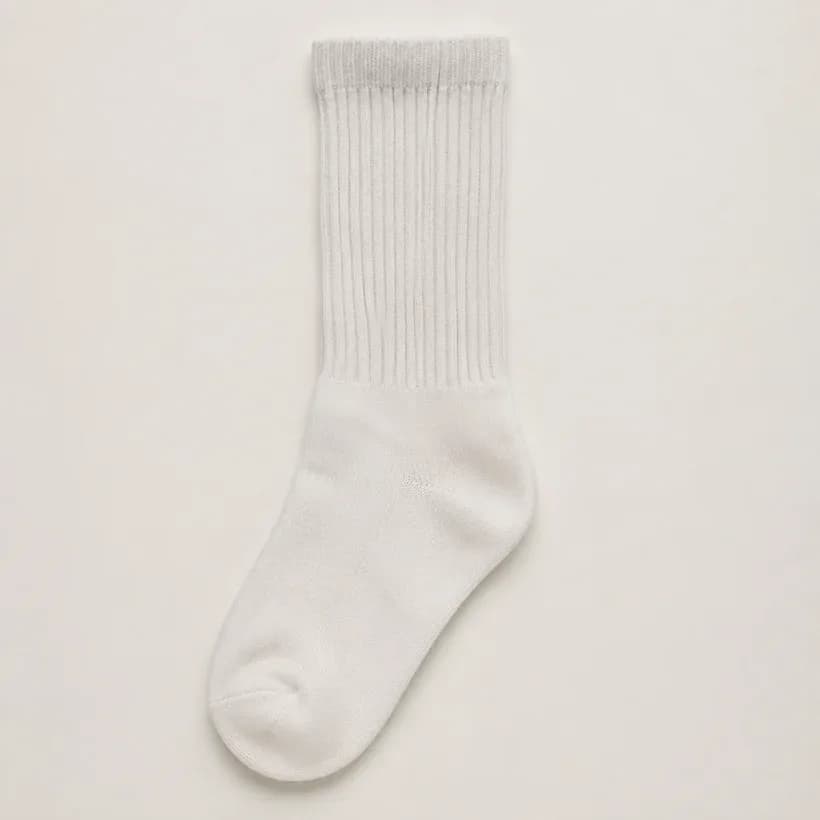
PLATE 03
Partly recoverable
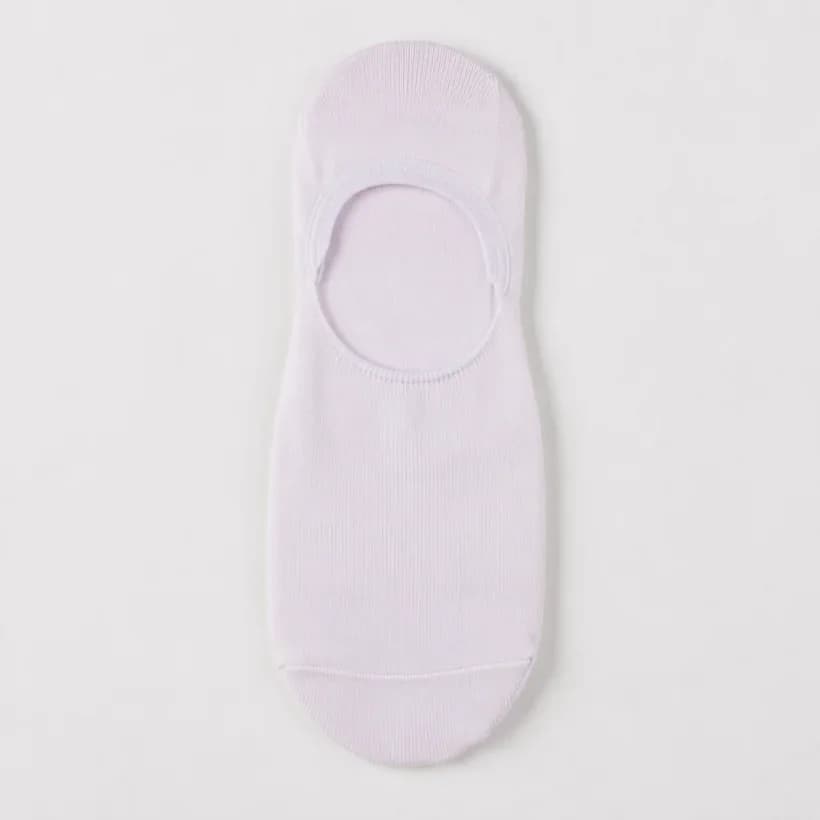
PLATE 04
Generally not recoverable
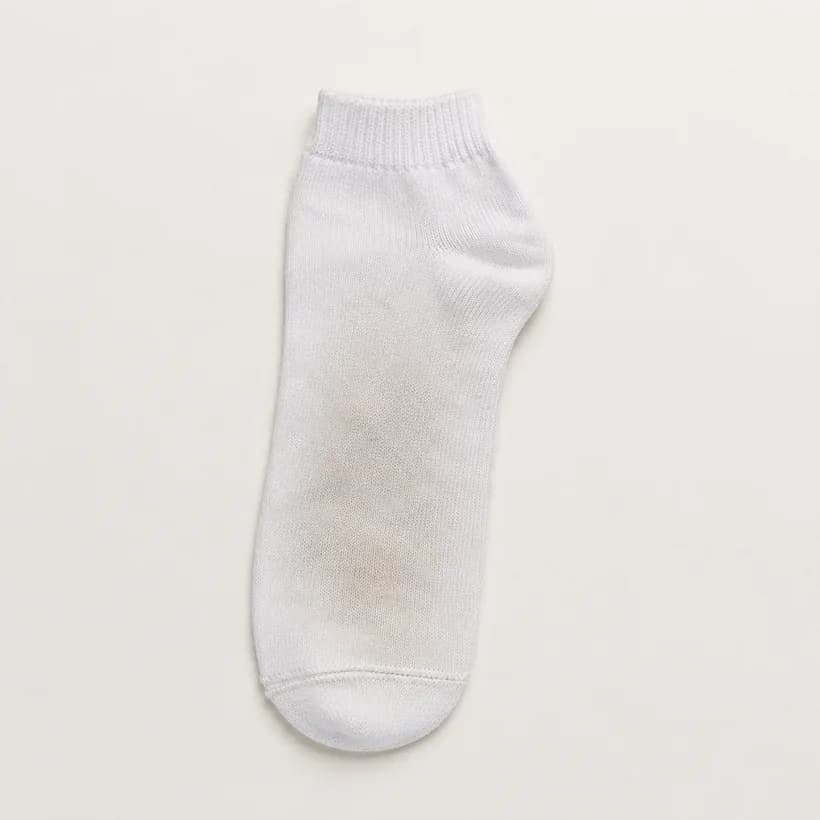
PLATE 05
Partly recoverable
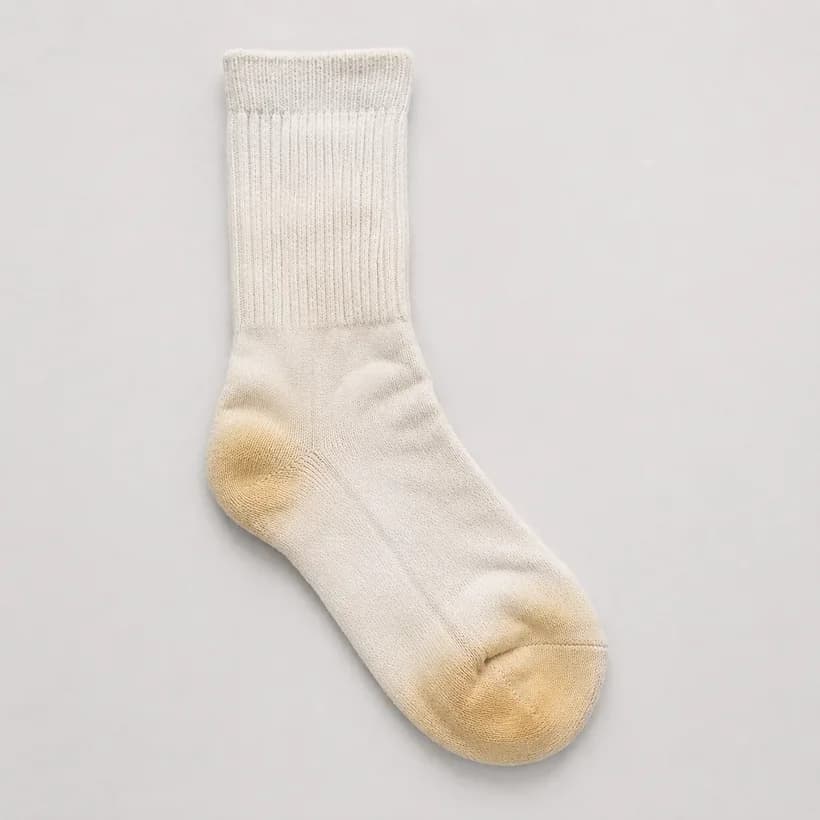
PLATE 06
Partly recoverable
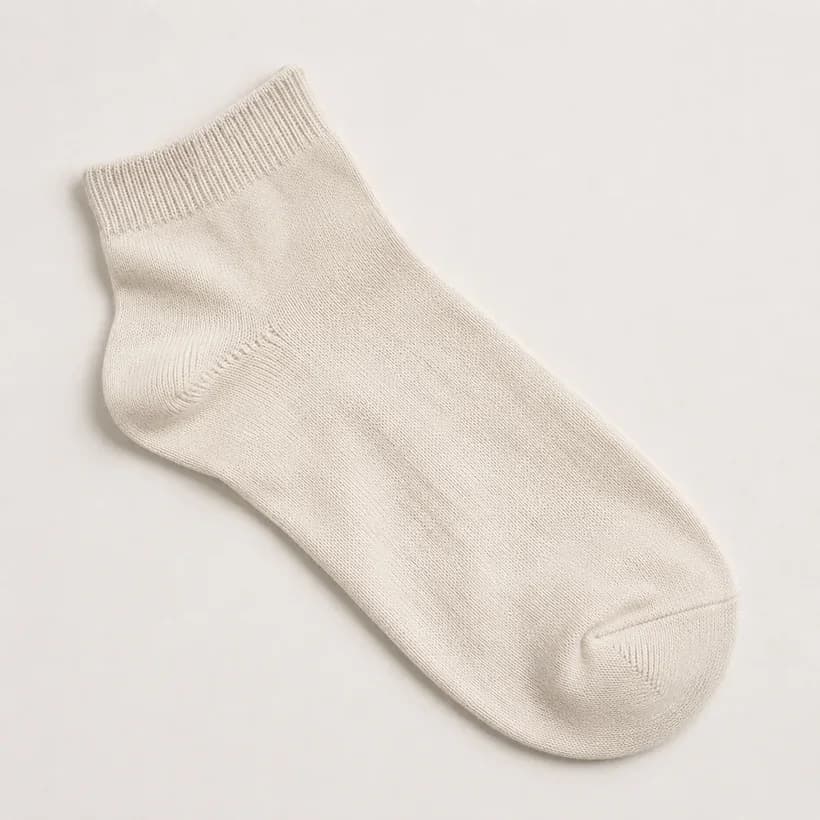
PLATE 07
Usually recoverable
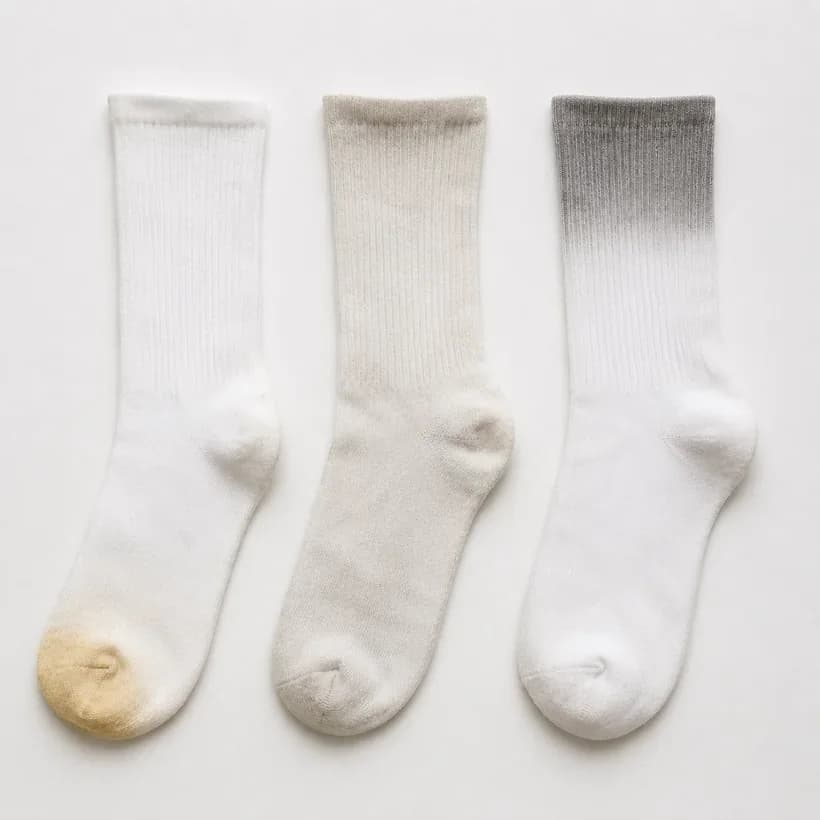
PLATE 08
Read separately
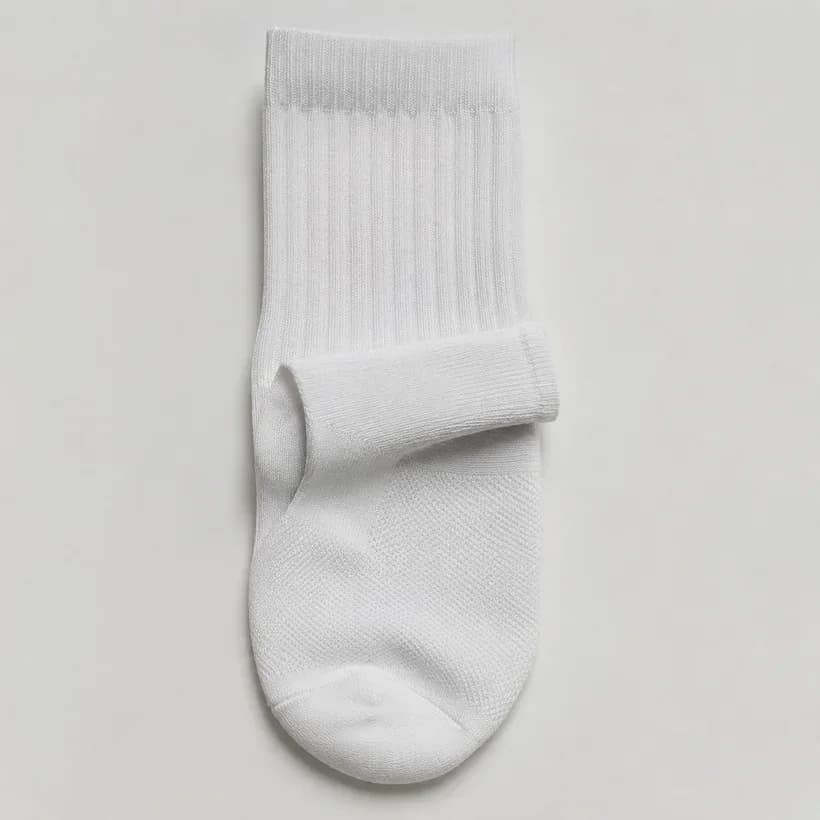
PLATE 09
Partly recoverable
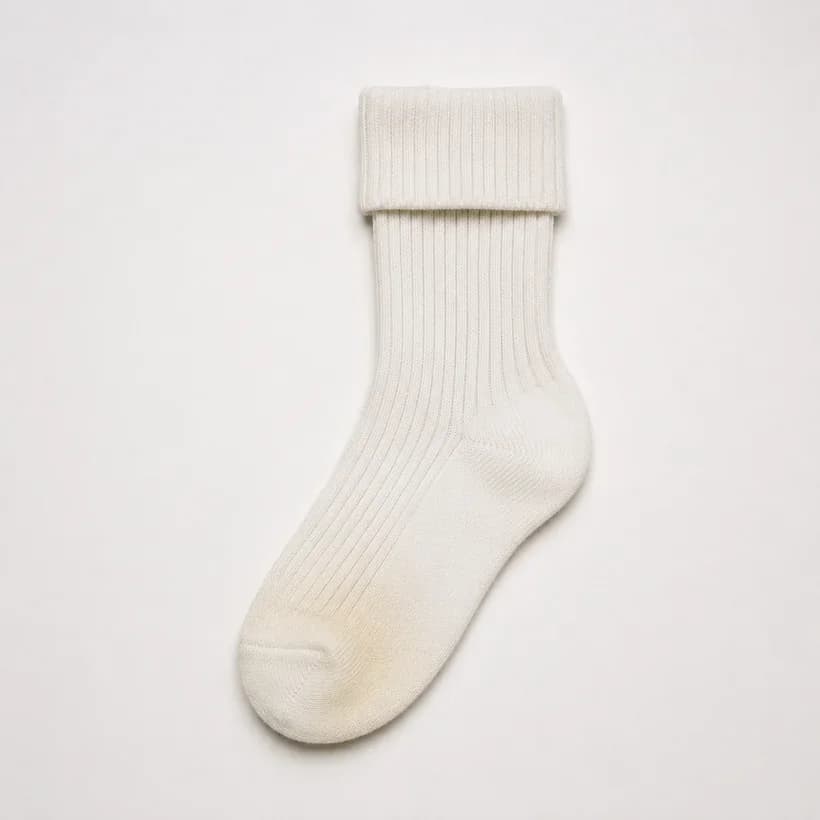
PLATE 10
Partly recoverable
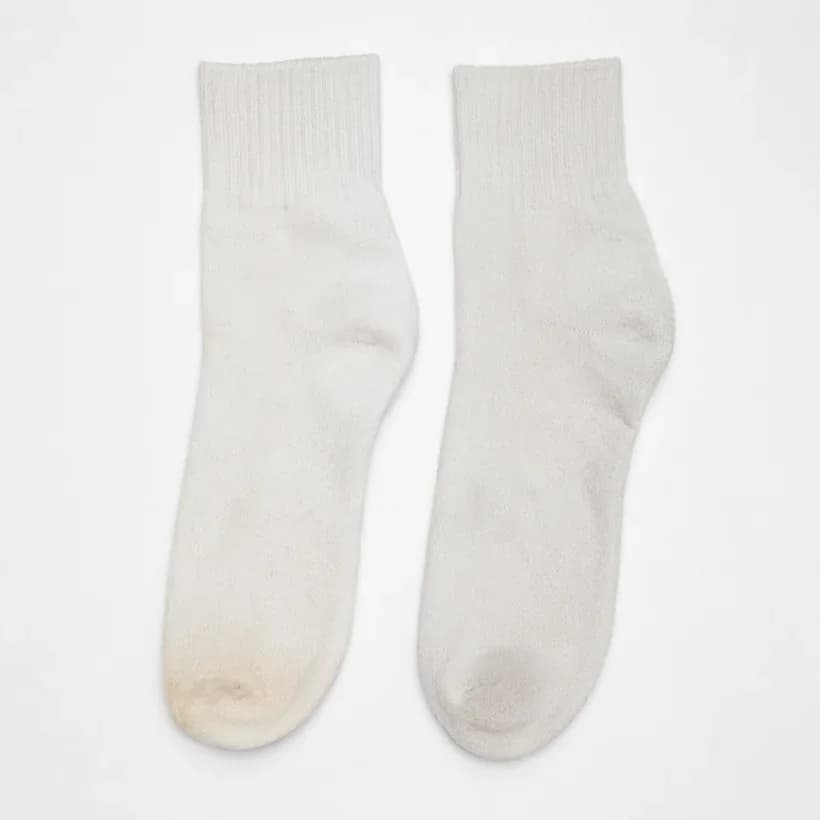
PLATE 11
Read separately
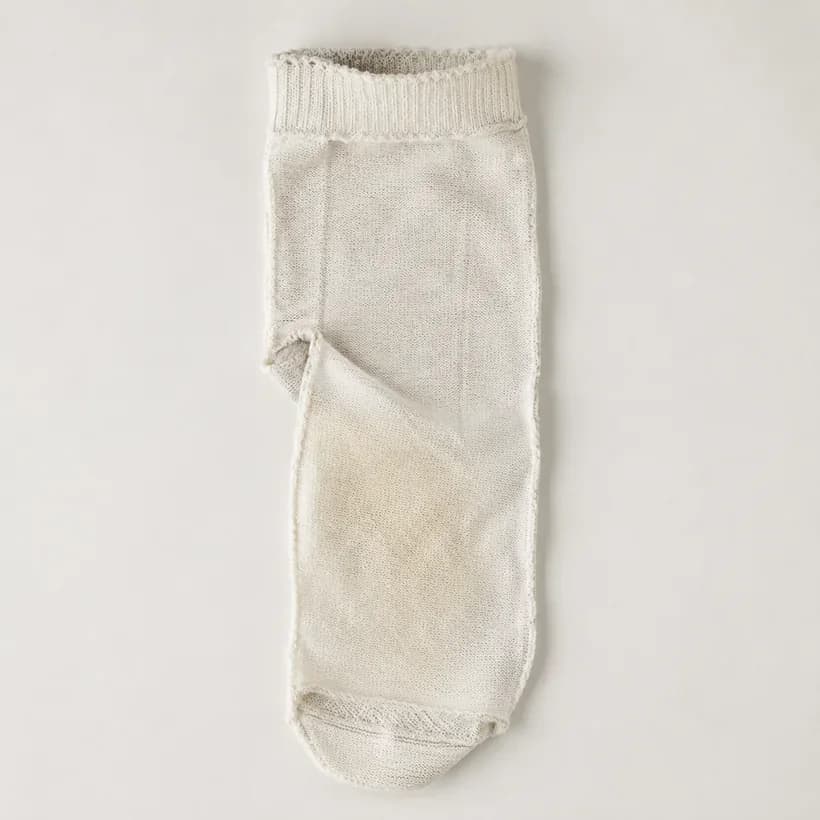
PLATE 12
Partly recoverable
Every plate is a single sock photographed once. There are no paired shots on this site: a before-and-after is a claim about a treatment, and the treatments here depend on a cause that a photograph pair does not establish. Where a garment carried a maker’s name, it was masked before the plate was made.
05
Pricing
The paid tiers tell you what to do about it and in what order — which matters more than it sounds, because the four treatments contradict one another.
Enough to find out which of the four you are dealing with.
$0USD
No card, no expiry, no trial that turns into a subscription.
50 units of allowance each month
An allowance, not a balance. It does not carry into the next month and there is nothing to top it up with.
What it does not include
Knowing the cause is half of it. This is the half you act on.
$7USD / month
$7 a month, or $67 a year — which works out at $5.58 a month. Includes VAT at 20%, charged in US dollars (USD).
380 units of allowance each month
An allowance, not a balance. It does not carry into the next month and there is nothing to top it up with.
What it does not include
For a whole drawer, and for finding out whether it is coming back.
$21USD / month
$21 a month, or $202 a year — which works out at $16.83 a month. Includes VAT at 20%, charged in US dollars (USD).
1400 units of allowance each month
An allowance, not a balance. It does not carry into the next month and there is nothing to top it up with.
What it does not include
Where the line falls, and where it never will
Everything that stops you making it worse is free, on every plan, without a watermark over it: the three things not to do, the cause-specific warnings, the recovery verdict when the answer is no, and the four things the service cannot know. Someone who reads only the free tier is exactly the person most likely to go and bleach the thing — and withholding that from them to sell a subscription is not a trade we are willing to make.
What you pay for is the annotated view that shows why the judgement went the way it did, the ordered treatment, and the prevention list for the cause you actually have.
What draws on the allowance
| A question about your wash | 1 |
|---|---|
| Reading the distribution from a photograph | 2 |
| The annotated view and the treatment card | 5 |
Prices include VAT at 20% and are charged in US dollars (USD).
06
Questions
Whether bleach will fix it, and whether the socks were simply no good. Neither answer is the flattering one.
For three of the four causes, chlorine bleach makes the problem permanent rather than removing it. On oxidised sebum it reacts with the oil and protein already in the yarn and drives the yellow deeper, and that change does not come back out. On dye transfer it attacks some dyes and not others, so an even tint becomes a patchy one. On mineral scale it does nothing at all to the mineral while weakening the cotton.
The fourth cause, detergent residue, is the one where bleach is merely pointless: the film lifts with rinsing, which is free.
This is the single most common thing people do before they arrive here, and it is the reason the stop-loss section is shown before any result rather than after it.
This service reaches no conclusion about the quality of any product and evaluates no brand. It is not able to, and it does not try.
The four causes it distinguishes all sit on the use and laundering side: skin oil left in the fibre, detergent that was not rinsed out, mineral from the water supply, and colour that came off something else in the same drum. None of them is a statement about how the sock was made.
Any brand name visible in a photograph you upload is masked before the image is shown back to you, used in an annotated view, or included in anything shareable.
No. Photographs you upload are not used to train any model, ours or anyone else's, and they are not sold or shared for that purpose.
An uploaded photograph is kept for 30 days so you can return to a reading, then deleted. You can delete one at any point before that from the reading itself, and deleting your account removes all of them.
It reads the distribution and the tone of the discoloration from your photograph and ranks the four causes against a published table. That is an inference from appearance. It is not a chemical test and it does not claim to be one.
Three things move the answer and none of them are visible in a photograph: the hardness of your water, how much detergent actually went into the drum, and what has built up inside the machine over the years. Every reading lists them, on every tier, outside the paywall.
The ranking itself runs in your browser against a table you can read. The model contributes the observations — which regions shifted and in which direction — and never the verdict.
It depends which cause you have, and the honest answer is not the same in all four cases. Detergent residue usually comes all the way back. Mineral scale usually improves a great deal over several softened washes. Oxidised sebum often recovers, unless chlorine bleach has already set it.
Dye transfer generally does not. Bound dye is colour in the fibre rather than a residue on it, and there is no ordinary domestic step that reliably reverses it. Every reading gives a recovery verdict, and when the verdict is no it says so rather than offering another cycle to try.
One button in your billing settings, at any time, with no telephone call, no email to support and no retention flow. Access continues to the end of the period you have already paid for.
You also have a statutory right to cancel within 14 days of subscribing. Because a subscription here starts immediately, that right ends once you have expressly agreed to immediate provision and acknowledged the loss of the right — both of which are separate, unticked boxes at checkout, and both of which are repeated back to you in the confirmation email.
We additionally give a fresh 14-day cancellation window after every renewal, which the law does not yet require. That is a voluntary early adoption of rules due to come into force in the United Kingdom in spring 2027.
It ends with the period. An allowance is a usage allowance inside the service: it is not money, it is not stored value, it is not redeemable for cash and it is not transferable.
There are no top-up packs and no stored balance to buy. If a tier's allowance is not enough for how you are using the service, the only route is the tier above.
No product and no brand, ever. Where a treatment step needs one, it names a generic category — an enzyme-containing detergent, a water-softening agent — and stops there.
This service also uses no household remedies of the kind that circulate online. Untested mixtures are not a shortcut around not knowing the cause, and several of them make specific causes worse.
Every price on this site is in US dollars (USD) and includes VAT at 20%. What you see on the pricing page is what is charged.
There is no trial, no introductory rate and no promotion, so there is no later price to be surprised by. A subscription renews at the same amount until you cancel it, and you are told the next charge date before you are charged and again in every receipt.
You must be 16 or older to hold an account. Between 16 and 18 you need the consent of a parent or guardian.
The service is not designed for children and we do not knowingly hold data from anyone under 16.
One photograph
The next wash is where this is decided. Whichever of the four it turns out to be, doing the wrong one of the four treatments is what turns a recoverable sock into a permanent one.
Five socks a month at no cost. Prices in US dollars (USD), VAT included. Cancel in one step.
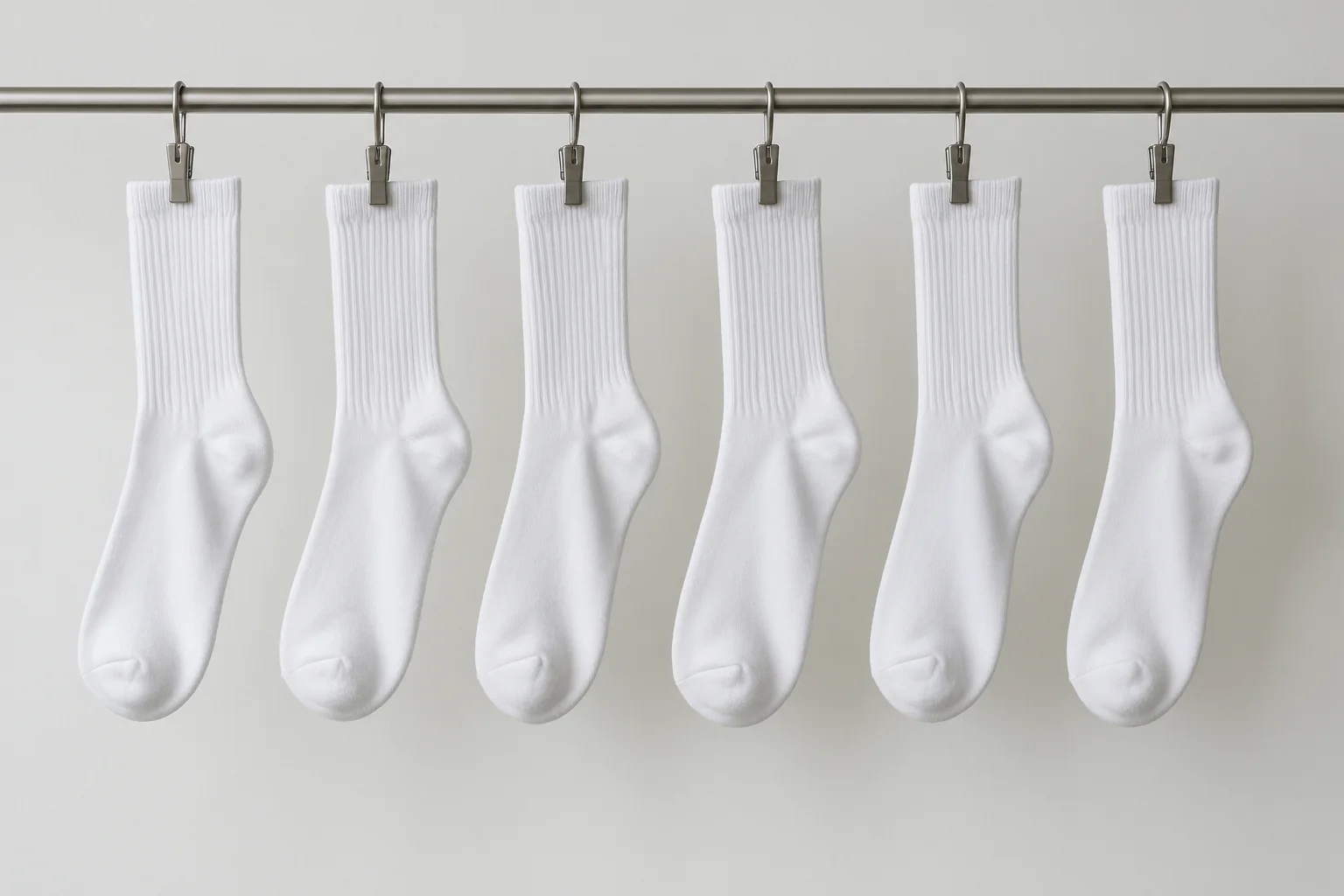
Six socks, one wash, one water supply — and they will not all go the same way.